
Training Catalog
Or browse the catalog below.
Looking for the right fit? Trainings are often tailored to the audience and setting. We’re happy to help you narrow the list.
Case Studies | Keynotes | Training Simulations | Workshops | Full- or Multi-Day Courses

The Sound of Surviving: One Survivor's Journey Through the Medical Aftermath of Trauma
This workshop uses survivor-advocate Melanie’s story to show how sexual trauma can manifest physically years later, including pelvic pain and dysfunction. Participants explore the non-linear nature of healing and the critical role of trauma-informed medical care in a survivor’s path to recovery.
The Death of Emily Hampshire: An MDT’s Battle for Justice & the Community Struggle to Understand a Mother’s Actions
This case study examines the investigation and prosecution surrounding the death of 14-year-old Emily Hampshire, whose mother concealed her Type 1 diabetes, leading to fatal neglect. The session highlights how a coordinated MDT uncovered the truth and secured justice in a close-knit community.

Unexplained Injuries, Unexplained Bruising: The Complicated Case of Baby Owyn (Parts 1 and 2)
This two-part case study examines the investigation and prosecution of the fatal abuse of 7-week-old Baby Owyn. Participants explore MDT timeline-building, charging and pretrial decisions, and trial strategy for complex medical evidence, nonverbal victims, and accelerated jury trials.

Like Father, Like Son: Computer Forensics, Secret Cameras, and Spiritual Influences
This in-depth case study examines the investigation and prosecution of David J. VonBergen, spanning dark web activity, hands-on abuse, reluctant disclosures, and complex evidentiary and legal issues. Presented by the investigative and prosecutorial team, the session explores digital evidence strategy, pretrial motions, sentencing, and the generational abuse tied to his father’s crimes.

Demystifying Medical Evidence in Sexual Abuse Cases
This workshop focuses on presenting pediatric sexual assault exams—especially “normal” findings—as powerful corroboration in child sexual abuse trials. Participants learn to prepare and use medical experts to clearly explain anatomy, exam results, and penetration elements in ways juries understand.

Perfect Targets: From Custodial Abuse to Courtroom Justice for Victims in Care
Children in institutional custody or state care are acutely vulnerable to exploitation, creating complex investigative and trial challenges for MDTs. This workshop provides practical strategies for managing behavioral and ACE-related issues, limiting improper defense attacks through pretrial motions, and countering jury bias in these high-risk cases.
Digital Harm, Human Impact: Achieving Trauma-Informed Justice in Technology-Facilitated Abuse Cases
Online exploitation creates layered trauma when abuse is compounded by digital evidence and ongoing harm. This workshop equips MDT professionals with trauma-informed strategies for ethical evidence handling, survivor-centered communication, and pursuing justice and recovery from investigation through long-term support.

Successful Investigations from the Start: The Art of Minimal Facts Interviews
This training builds core skills for conducting minimal facts interviews that protect child safety while supporting effective investigations. Participants learn to recognize developmental and communication factors, identify polyvictimization, and respond to disclosures in ways that empower rather than endanger the child.
The MDT That Believed: Achieving Justice in a Child Sexual Abuse Case with High Risk of Recantation
Children are more likely to disclose and less likely to recant when they have a safe adult—but that role sometimes falls to the MDT itself. Using a rural incest case study, this session examines how professionals can step into that role through coordinated advocacy, caregiver education, and strategies that reduce recantation and strengthen outcomes.
MDT Fantasy League: Strengthening the Response to Child Abuse Investigations Through Strategic Collaboration
This training focuses on how CPS and law enforcement can strengthen child protection through clear communication, defined roles, and strategic collaboration. Participants gain practical strategies for navigating case barriers and maintaining effective MDT coordination—even when one agency closes its case—so safety and investigative goals remain aligned.

You Don’t Have My Blessing to Pop the Question: Forensic Interviewer Insights for CPS Child Interviews
When a child discloses abuse, premature or poorly framed questions can compromise both the child and the case. This session offers forensic-interview–informed guidance on when and how to gather minimal facts while protecting the child, preserving evidence, and strengthening MDT coordination.

Guardians, Gaslighters, or Gullible? Adult Narratives Affecting the Child Abuse Investigation
Adult narratives can protect the truth—or quietly distort it—in child abuse cases. This session examines Guardians, Gaslighters, and the Gullible, equipping participants to spot bias, challenge misleading narratives, and keep the child’s voice central to the investigation.

Artificial Intelligence for Criminal Investigations
This full-day, practical course gives law enforcement, prosecutors, and MDT professionals the skills to use AI responsibly in investigations while recognizing the legal, ethical, and evidentiary risks it creates. Participants learn how to leverage AI for analysis and lead development, spot misuse and bias, and authenticate AI-generated material in child exploitation and other cases.
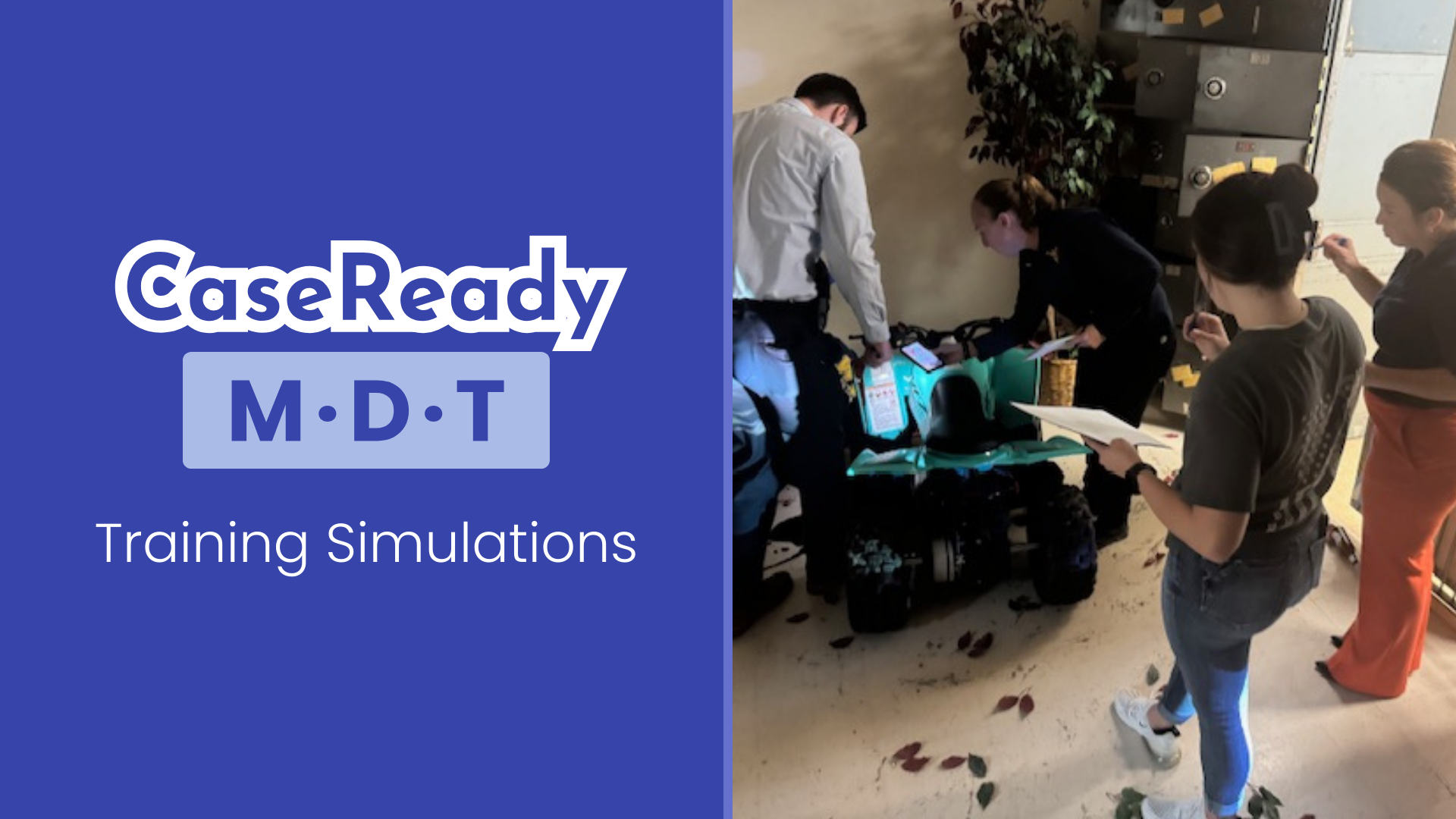
CaseReady MDT Training Simulations
CaseReady MDT delivers realistic, scenario-based mock exercises in a low‑stakes setting—designed to sharpen investigative, prosecutorial, and multidisciplinary coordination skills. Each simulation is tailored to your jurisdiction's needs, ensuring relevance and impact.

Human Trafficking and the Sexual Abuse of Boys
Human trafficking cases require specialized, flexible approaches—and when victims are boys, added hurdles like low disclosure and stigma often complicate the work. This session blends core trafficking practices with dynamics specific to boys, highlighting proactive identification, strong case development, tech-informed corroboration, and coordinated partnerships across physical and online contexts.

Forensic Feud: A Game of Shadows and Psychology
This workshop, hosted in a game show format by a former prosecutor and a forensic psychologist, equips attendees to address and refute defenses frequently encountered in child abuse cases. Participants will gain insights into identifying and addressing common defenses in child sex trafficking, online sexual exploitation, and child sexual abuse, and explore practical countermeasures tailored for MDT members.
Whatever It Takes: Earning the Trust of Survivors in High-Control Environment Cases
Trauma can complicate investigations and prosecutions, especially in coercive environments like cults, trafficking networks, and other high-control settings. This workshop covers trauma-related barriers, communication with reluctant witnesses, and evidence-gathering and trial-prep strategies that prioritize safety and account for trauma’s impact on disclosure and testimony.
The Perpetrator in the Precinct: Confronting Child Abuse in Law Enforcement
When a child-abuse suspect is a law enforcement officer, the investigative and prosecutorial challenges intensify. Using real case examples, this training shows how officers exploit authority and equips participants with strategies to handle these complex cases effectively.
Ctrl‑Alt‑Deceit: Exposing Flawed Defenses in Online Exploitation Cases
False narratives are common in online child-exploitation cases, from excuses for CSAM possession to attacks on digital evidence. This workshop breaks down frequent defense arguments and gives prosecutors concrete strategies to expose and neutralize them from pretrial through sentencing.
Search Warrants and the Pursuit of Digital Evidence
Search warrants are pivotal for securing the digital evidence that can make or break a child-exploitation case. This workshop explains how to choose the right legal process, draft precise warrants, navigate provider challenges, and avoid defects that jeopardize investigations.