
Training Catalog
Or browse the catalog below.
Looking for the right fit? Trainings are often tailored to the audience and setting. We’re happy to help you narrow the list.
Case Studies | Keynotes | Training Simulations | Workshops | Full- or Multi-Day Courses
From Outcry to Conviction: Navigating Your Way Through a Child Abuse Investigation
This workshop provides a practical overview of the child-abuse investigation process, from evaluating a child’s outcry through preparing the case for trial. Participants will examine suspect interviews, search warrants, social media evidence, and other investigative strategies used to build strong, admissible cases.
Interrogations: Getting the Suspect to Corroborate the Facts
This workshop examines interrogation strategies that go beyond obtaining a confession, focusing instead on developing accurate, voluntary corroboration of known facts in child abuse and human trafficking cases. Participants will learn how rapport, structure, and strategic questioning can help confirm timelines, relationships, motives, and actions.

One-Party Consent Phone Call: The Undisputed Evidence in Your Case
This workshop explores the use of one-party-consent recorded phone calls as an investigative tool in child sexual abuse cases. Participants will learn how to prepare victims, conduct effective calls, and use recorded statements to corroborate allegations and strengthen suspect interviews.

Macc Bucc: The Pursuit of Dallas' Most Prolific Pimp
This workshop examines the Anthony “Macc Bucc” Johnson trafficking case to explore how traffickers recruit, manipulate, and maintain control over victims—and why victims may remain loyal despite severe exploitation. Detective David Clark also breaks down the multi-jurisdictional investigative strategies used to corroborate victim accounts and build a prosecutable case.
Different Paths, Same Goal: Successfully Navigating the Prosecutor and Survivor Journey
This workshop explores how to bridge communication gaps between Multi-Disciplinary Team members and survivors to improve case outcomes in child maltreatment investigations. By integrating the perspectives of a veteran prosecutor and a survivor-advocate, the session provides practical strategies for trauma-informed collaboration that balances the pursuit of justice with the survivor’s long-term journey.
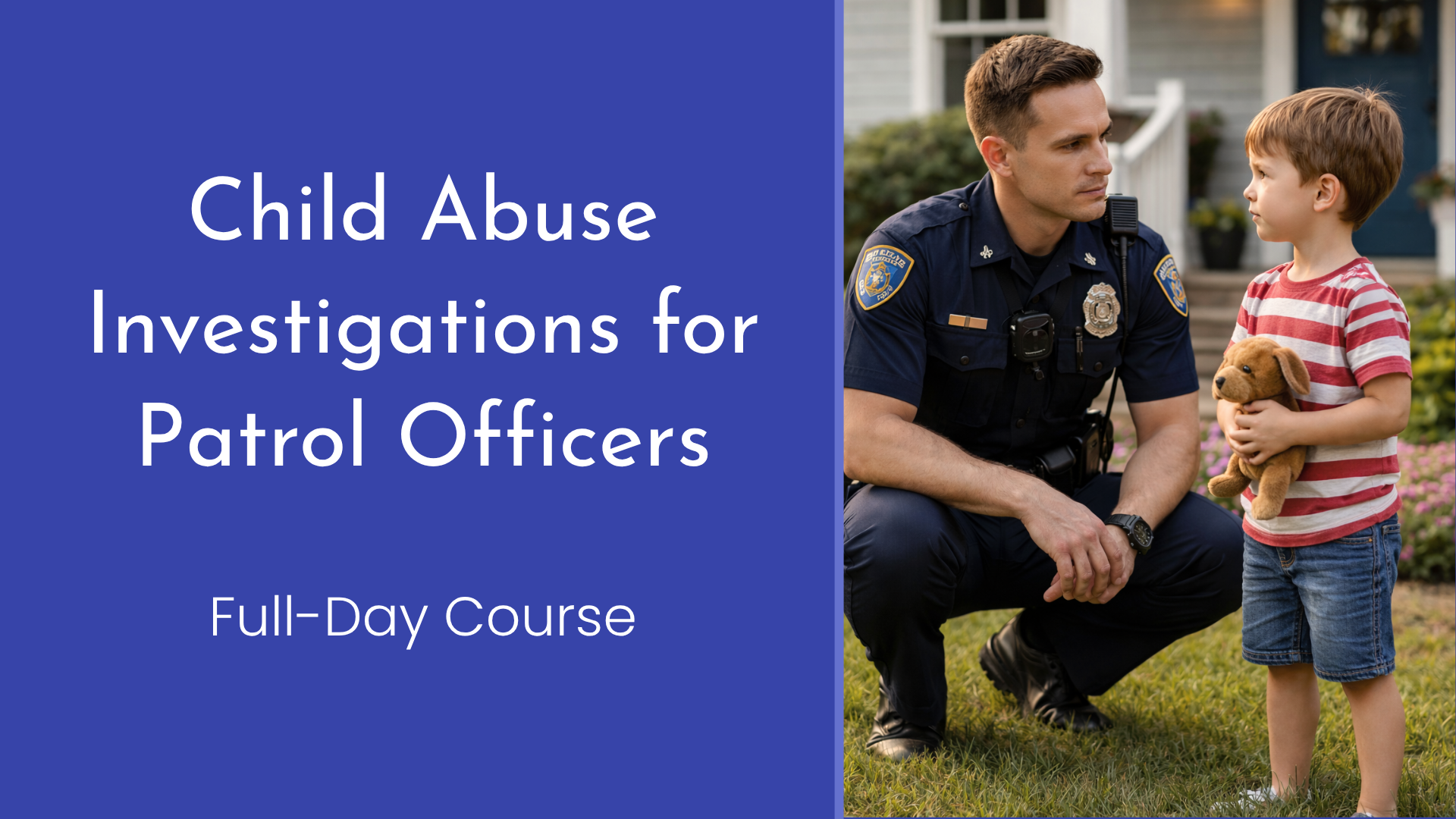
Child Abuse Investigations for Patrol Officers
This training program equips patrol officers with the essential skills to identify and investigate various forms of child maltreatment, ranging from physical and sexual abuse to drug exposure. Through a focus on trauma-informed approaches and forensic evidence, officers will learn to coordinate with specialized agencies to build stronger cases and better protect vulnerable children.
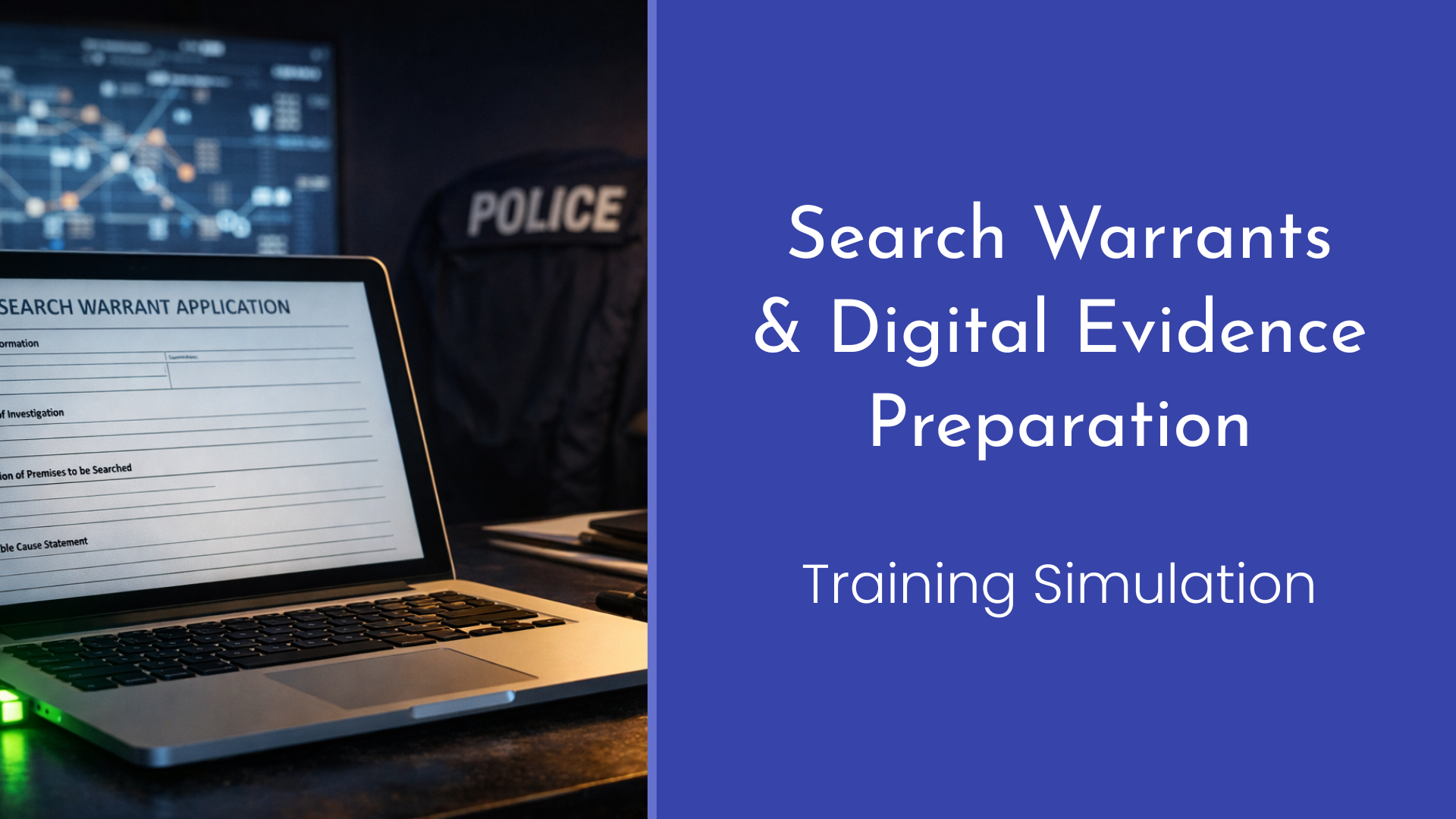
Search Warrants & Digital Evidence Preparation
Navigate the complexities of modern search warrant requirements and digital evidence in this comprehensive, scenario-based training. Participants will bridge the gap between legal theory and practical application, mastering the drafting process for cloud and social media data while building professional credentials for expert testimony.
TrialReady MDT Training Simulations
This realistic courtroom simulation course is designed to build courtroom testimony skills for MDT members through hands-on trial practice in child abuse cases. Participants strengthen confidence on the stand while gaining practical experience with the courtroom dynamics that shape effective testimony.
Investigating & Addressing AI-Facilitated Exploitation
Master the complexities of AI-driven child exploitation in this immersive, hands-on simulation. Participants will bridge the gap between digital forensics and the courtroom by processing mock crime scenes, analyzing AI-generated evidence, and conducting live suspect interrogations.
Investigation & Prosecution of Human Trafficking
Master human trafficking investigations and prosecutions in this expert-led, two-day interactive course. Through hands-on simulations, participants learn to navigate legal frameworks, trauma-informed interviewing, and operational planning, bridging the gap between field work and courtroom strategy.
When Darkness Meets the Shining Light of Hope: A Survivor's Perspective on MDT Investigations
In this session, Melanie Barton shares her survivor journey, from navigating the Child Advocacy Center and court process as a child, to healing from pelvic pain/dysfunction, and learning to love and be loved after trauma. Through personal photos and stories, she highlights how the CAC model and her forensic interview helped her find her voice, the vital role her MDT played, and her 20-year path of healing, faith, and purpose. She also reflects on her more than 10-year career in victim services and advocacy.
Interview and Interrogation of Sex Offenders
Taught by Det. Gary Weaver (White Hall Police Department) and Robert Peters (Coursing Justice), this course strengthens suspect-interview skills in child sexual offense cases through scenario-based practice and real-time feedback. Participants learn what effective interviewers do, how interviews differ from interrogations, admissions vs. confessions, rapport and communication strategies, and how to counter common psychopathic manipulation tactics while protecting case integrity.
Behind the Shield: A Female Officer's Guide to Challenges and Opportunity in Law Enforcement
This workshop offers a candid perspective on the realities women face in law enforcement, including culture, leadership barriers, and workplace dynamics. Participants gain practical strategies for career longevity, resilience, and navigating gendered challenges while strengthening agency support and equity.

When the Badge (and You) Aren't Shiny and New: Fortifying Officer Resilience
This workshop addresses cumulative stress, burnout, and compassion fatigue across a law enforcement career, with a focus on long-term resilience rather than short-term fixes. Participants gain practical tools to recognize early warning signs, protect their well-being, and sustain both professional effectiveness and personal health.
Child Maltreatment Investigations 101: The Basics
This foundational session covers best practices for investigating child abuse and neglect, from scene response through MDT coordination. Participants learn to recognize abuse indicators, gather and leverage evidence, and conduct trauma-informed interviews while effectively working with CACs and partner agencies.
No Admission, No Problem: Child-Maltreatment Interrogation Strategies
This workshop equips law enforcement with strategies for investigating child maltreatment cases when suspects deny or withhold admissions. Participants learn psychologically informed interview techniques to build rapport, counter cognitive distortions, and develop strong, confession-independent cases ready for court.

Sacred Spaces, Complex Cases: What I Wish I'd Known About Investigating Crimes in Churches
This workshop examines how offenders weaponize religious authority and theology to silence victims and evade accountability. Participants learn to recognize spiritual abuse, identify institutional self-protection tactics, and apply effective corroboration and interviewing strategies in faith-based investigations.
Lessons Learned from the Torture & Murder of Audryna Bartsh
This case study traces a child torture investigation that began with a late-night 911 call and ended in justice for Audryna. Led by the case investigator, the session examines investigative strategy, complex medical evidence, and the lasting personal impact of secondary trauma on the professionals involved.

The Truth Won’t Set You Free: False Allegations and Child Abuse
This workshop examines the research showing that truly fabricated child maltreatment allegations are rare. Participants learn to distinguish fabricated claims from suggestive questioning and coerced recantations, and to avoid premature conclusions that undermine investigations.
UC Chat Techniques for Child Exploitation Cases
This specialized workshop equips investigators with the tactical, psychological, and legal foundations of undercover chat operations in online child exploitation cases. Participants learn to build credible digital personas, manage high-risk communications, secure admissions, and document evidence that supports apprehension and prosecution.