CaseReady & TrialReady
MDT Simulations
Our simulations put MDT members to work on a realistic abuse case, side by side. Participants strengthen their individual skills while learning to collaborate across disciplines, with an experienced prosecutor and a seasoned investigator giving feedback in real time.
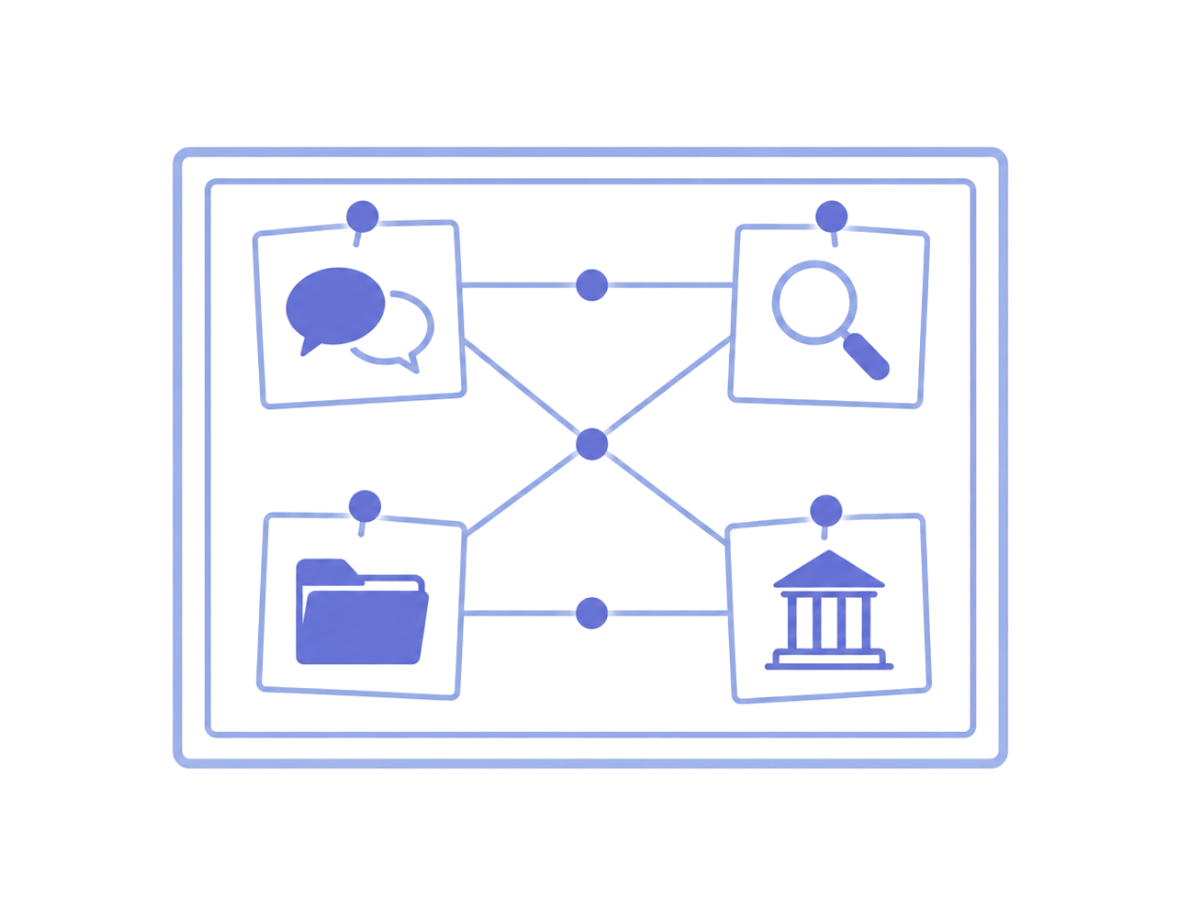
Work a case together, from intake to verdict.
Every simulation is built around a realistic case that unfolds in two parts. In CaseReady MDT, teams work the investigation from the first report forward, making the decisions a real MDT would make. In TrialReady MDT, that work moves into the courtroom, where roles are tested under direct and cross-examination.
The Investigation
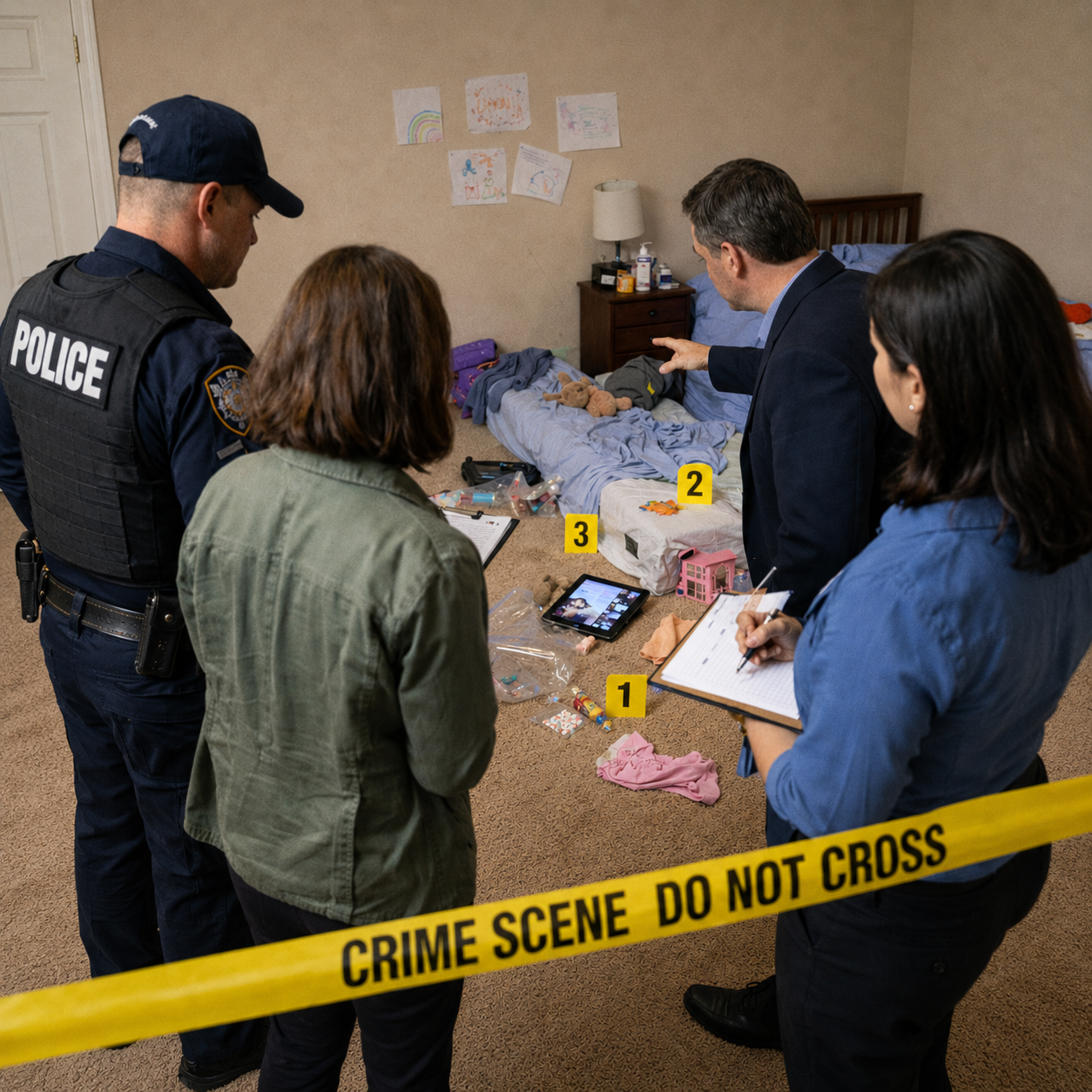
In CaseReady, teams work a simulated abuse case together, from the first report through charging. As they make decisions, new evidence unlocks, so the case develops the way a real one does.
Everyone sees how their role connects to the rest of the team and gains a clearer understanding of what their colleagues in other disciplines do.
The Trial
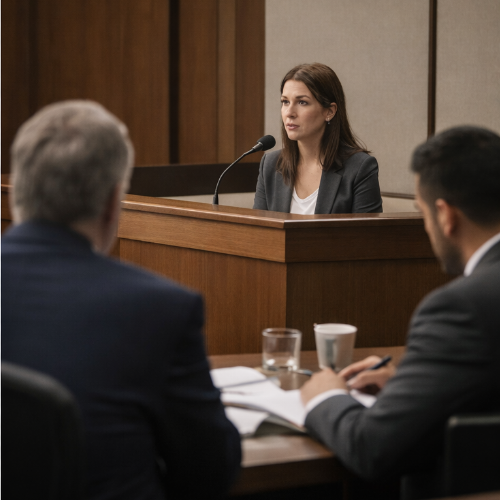
TrialReady takes an abuse case into the courtroom. If paired with CaseReady, the trial revolves around the same case your team investigated, so the decisions they made are tested on the stand.
Prosecutors practice direct and cross-examination while team members testify, building the confidence to present the case clearly and credibly.
Get feedback from both sides of the case.
Every simulation is led by two trainers: an experienced prosecutor and a seasoned investigator. Your team gets real-time feedback from both perspectives, so investigators hear what a prosecutor needs to file and win, and everyone learns what holds up under cross-examination.
Choose from 15 case scenarios across three focus areas:
-
Domestic violence and child safety: Investigate violence between caregivers while assessing its impact on the children in the home and the decisions needed to protect them.
Infant and young child deaths: Investigate a suspected abusive head trauma case by working through the scene, caregiver accounts, medical history, autopsy findings, and competing explanations. An optional child drowning fact pattern can add a second investigation involving supervision and caregiver impairment.
Adult and child homicide: Investigate connected adult and child deaths, establishing what happened to each victim and whether the deaths share a cause or responsible person.
Physical abuse: Investigate a pattern of injuries and potentially false explanations by interviewing witnesses and comparing their accounts with the child’s injuries.
-
Child sexual abuse: Investigate an allegation of child sexual abuse through the forensic interview, follow-up interviews, corroboration, and charging decisions.
AI generated CSAM creation and distribution: Investigate a Cybertip involving AI generated images of children, identify who created and shared them, and explore whether the case involves grooming or contact offenses.
CSAM and digital evidence: Investigate online grooming and the creation or sharing of CSAM, with a focus on finding and utilizing digital evidence to advance the case.
Child sexual abuse by a caregiver: Investigate sexual abuse in a child’s home, including caregiver pressure, recantation dynamics, and corroboration.
Police sexual misconduct: Investigate sexual abuse by a police officer while addressing the officer’s access to the child, use of official authority, potential conflicts within the investigation, and other complexities.
School based sexual exploitation: Investigate abuse involving a school employee by connecting surveillance, digital activity, witness accounts, and access to children across school settings.
-
Human trafficking: Investigate a suspected child trafficking case by collecting evidence, identifying those involved, and navigating victim dynamics.
Institutional abuse and child torture: Investigate systematic restraint, deprivation, injury, and concealment at a residential facility through crime scenes, medical consultations, records, and staff interviews.
Abuse in a religious community: Investigate child abuse where leaders invoke religious authority to justify conduct and discourage reporting, while addressing records, witnesses, privilege claims, and other challenges.
Nonverbal victims: Investigate sexual and physical abuse involving nonverbal victims, adapting interviews and other investigative and courtroom strategies to the children’s communication methods.
Problematic sexual behavior: Investigate problematic sexual behavior while assessing the needs of each child and determining an appropriate MDT response.
Practical training for the entire MDT.
Simulations work best when every discipline takes part. Each participant plays their real role in the case, and the debrief shows how those roles depend on one another.






Select the format that fits your needs.
Teams can book CaseReady on its own or continue into TrialReady to see how their work holds up in court. TrialReady can also be booked as a standalone simulation, with case materials sent in advance so teams can prepare for the courtroom exercises.
Pricing
$6,000 for one day (CaseReady or TrialReady)
$10,000 for two days (CaseReady + TrialReady)
Prices exclude travel expenses. If cost is a barrier, please reach out. Rural discounts, virtual delivery, or other options may be available.
Plan your team’s simulation.
Tell us about your team’s goals, dates, and budget, and we'll help you choose a scenario and format.
Or email us at info@coursingjustice.com
Frequently Asked Questions
-
A one-day simulation covers either CaseReady MDT or TrialReady MDT. A two-day simulation covers both, so your team investigates the case on day one and takes it to trial on day two.
-
Yes. TrialReady MDT can run as a standalone simulation. We send case materials in advance so your team can prepare for the courtroom exercises. Teams can also book CaseReady MDT on its own or combine the two for the full experience.
-
Simulations work best when law enforcement, forensic interviewers, child protective services, and prosecutors are all represented, since those roles drive the investigation. Victim advocates and medical and mental health professionals are welcome too and add valuable perspective to the case. If you share your attendee breakdown ahead of time, we’ll adapt the simulation to make it as useful as possible for everyone in the room.
-
For the best experience, we recommend having 2-4 multidisciplinary teams of about 6-10 people. Ideally, each team includes at least two investigators, a prosecutor, a forensic interviewer, and a social worker. Small, well-balanced teams give everyone a more hands-on role in the case and more time for trainer feedback.
The maximum number of participants depends on the simulation you choose and your attendee breakdown, so we’ll work with you to find the right fit.
-
You can choose from 15 scenarios across three focus areas: child death and physical abuse, sexual abuse and online exploitation, and institutional abuse and complex cases. We’ll help you pick the one that best matches your training goals, whether that’s sharpening skills on familiar cases or building confidence with ones you see less often. We can also adapt or combine scenarios as needed.
-
Each simulation includes two trainers who lead 2–4 lectures and 4–6 hands-on training exercises, depending on whether you choose a one-day or two-day simulation.
A full two-day simulation can include mock forensic interviews, witness interviews and suspect interrogations, crime scene processing, search warrants and other evidence gathering, and a mock trial.
We provide all the simulated case materials and tools your team needs. We can also handle registration and participation tracking for you. Travel expenses are billed separately.
-
Yes! Simulations are most engaging in person, but every simulation can also be delivered virtually. Our case materials and exercises are designed to work in either format, so remote teams get the same hands-on experience. Reach out and we’ll help you choose the option that works best for your team.
-
We’re happy to help you find a path that works. We’ve helped teams write simulations into grant applications, and we can provide the details you need for yours. Because simulations train multiple disciplines, partner agencies and organizations can also share the cost. Rural discounts, virtual delivery, or other options may be available, so please reach out.