
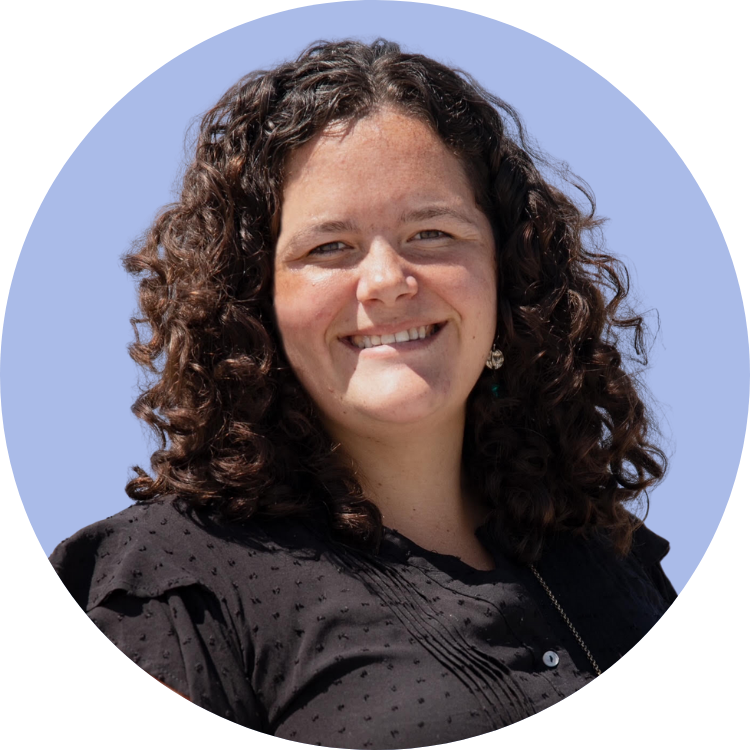
Melanie Barton
Advocacy, Resiliency, Survivor Narratives, Medical Impact, Healthy Relationships, Trauma-Informed Practice
About Melanie
Melanie is a survivor of child sexual abuse and sexual assault who uses her lived experience to bring hope, clarity, and compassion to others. Grounded in faith and driven by a commitment to truth-telling, she shares her story to illuminate pathways toward healing and prevention.
For more than a decade, Melanie has worked professionally with victims of crime, supporting children, families, and adult survivors across multiple systems. Her experience includes roles as a domestic violence crisis advocate, court-based victim advocate in New Hampshire and Massachusetts, and Family Advocate and Forensic Interviewer at a Child Advocacy Center. She is trained by CornerHouse in forensic interviewing and has supported cases involving child sexual abuse, severe physical abuse, domestic violence exposure, and child sexual exploitation.
Melanie is a nationally recognized public speaker and survivor advocate who has presented at local and national conferences since 2019. She has collaborated with organizations including SHIELD Task Force, the National Children’s Alliance SHINE Campaign, Zero Abuse Project, and state Children’s Advocacy Center networks. She currently serves on SHIELD’s board and is a Subject Matter Expert contractor with Zero Abuse Project’s SurvivorSpace Initiative, creating survivor-led content and educational programming.
Melanie holds a Bachelor’s degree in Sociology from Keene State College and completed a national service term with AmeriCorps Victim Assistance. Her work has been recognized with multiple awards for courage, dedication, and service to children and survivors.
Workshops, Courses & Keynotes
This workshop explores how to bridge communication gaps between Multi-Disciplinary Team members and survivors to improve case outcomes in child maltreatment investigations. By integrating the perspectives of a veteran prosecutor and a survivor-advocate, the session provides practical strategies for trauma-informed collaboration that balances the pursuit of justice with the survivor’s long-term journey.
In this session, Melanie Barton shares her survivor journey, from navigating the Child Advocacy Center and court process as a child, to healing from pelvic pain/dysfunction, and learning to love and be loved after trauma. Through personal photos and stories, she highlights how the CAC model and her forensic interview helped her find her voice, the vital role her MDT played, and her 20-year path of healing, faith, and purpose. She also reflects on her more than 10-year career in victim services and advocacy.
This session follows survivor Melanie’s journey through the CAC and court process, showing how forensic interviewing and MDT support helped her find her voice and begin healing. Drawing on two decades of recovery and advocacy, she offers a firsthand perspective on the lasting impact of coordinated, survivor-centered practice.
In this session, survivor and advocate Melanie Barton shares the small moments that had outsized impact on her healing from sexual abuse. Drawing on lived experience and professional training, she equips professionals to better support children, teens, caregivers, and families from a survivor-centered perspective.
This session examines how legal, medical, psychological, and survivor-centered perspectives intersect in child abuse cases and how effective MDT collaboration drives successful outcomes. Through cross-disciplinary discussion and case examples, participants learn to use medical evidence, expert testimony, and coordinated communication to support survivors and strengthen prosecution.
This workshop explores how sexual trauma can impact the body long after abuse, often beyond conscious awareness. Through Melanie’s story and Dr. Saar’s clinical insight, participants examine the mind–body connection, non-linear healing, and the vital role of trauma-informed medical care in survivor recovery.
This workshop uses survivor-advocate Melanie’s story to show how sexual trauma can manifest physically years later, including pelvic pain and dysfunction. Participants explore the non-linear nature of healing and the critical role of trauma-informed medical care in a survivor’s path to recovery.
This session follows survivor Melanie Barton’s case from disclosure through trial and long-term impact, presented in conversation with forensic psychologist Dr. Timothy Saar. Together, they examine prosecution missteps, the effects of trial on victims, effective testimony preparation, and post-trial support.
What People Are Saying
-
MDT Member
“It’s not often we get to hear direct feedback from victims who were interviewed and especially the ongoing effects that influenced the direction of their lives. Very profound and nourishing.”
-
Forensic Interviewer
“I was mesmerized while you were speaking. I wonder every day as a forensic interviewer if I am making a difference. I am amazed by your courage and honored that you shared your story. Thank you.”
-
Law Enforcement
“Your story was presented very well, and you should be very proud of yourself for how far you’ve come. Keep presenting and getting the message out! I never knew about this (the medical/physical impact of trauma, pelvic pain/dysfunction), and I’ve been a sex crimes detective for six years. Very informative and educational for me.”
-
SANE Nurse
“Thank you so much for sharing your story and experiences. I'm a nurse that helps with the exams and this is so helpful to me to understand the trauma and repercussions. This is invaluable information for all!”
-
MDT Member
“Her story made me realize just how important CAC’s are and the work that we do. It made me realize how much empathy, and active listening matters in my role.”
-
MDT Member
“I found the personal story of the presenter to be very impactful and motivating. The information from the expert witness was extremely valuable and enlightening. Great presentation!”
-
MDT Member
“What an inspiring individual Melanie is. She and Dr. Saar are a wonderful team. I learned so much about this topic today, regarding the environment conducive to these events and also about perpetrators. Thank you for hosting this important session.”
-
One Loud Voice Attendee
“This was the best session of the entire program.”
-
Krimes Against Kids Conference Attendee
“Ms. Barton is one of my favorite presenters of the event.”
-
SANE Nurse
“Thank you for taking horrible events in your life and using them to help others. Your session has great information that I will use to help me in my work as a nurse during exams.”
-
MDT Member
“Proud of you and thankful for you! The real life stories along with teaching is what I’m here for. It helps me understand better to make that connection. You are so brave and a true inspiration. Thank you for being vulnerable and taking time to help us grow in our field.”
-
MDT Member
“Thank you for your transparency and for what you do to help us providers/professionals look at things from another perspective and to help us learn new things in order to assist children/teens in their journey".”
Media & Publications

Guest Survivor/Advocate Melanie Barton talks with us about the healing road of learning to love and learning to be loved as a survivor of sexual abuse.
A local child abuse survivor is scheduled to speak publicly about her personal experiences and the role a child advocacy center played in her healing, aiming to raise awareness and insight into recovery from abuse.
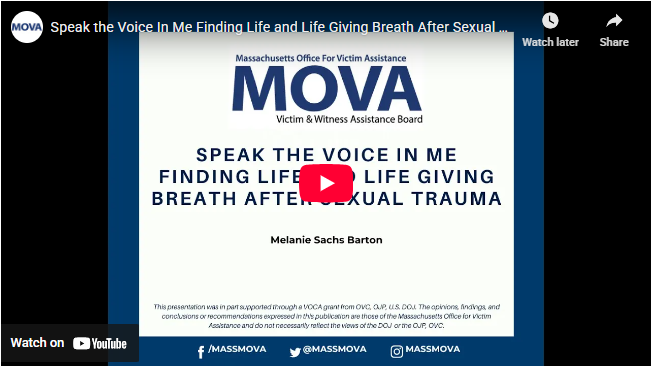
This training was presented by Melanie Barton, a survivor/advocate/forensic interviewer. It was part of MOVA's 2024 Victim Rights Month commemoration. Melanie shared her experience as a survivor through personal pictures and descriptions along with her journey through Pelvic Pain/Dysfunction and loving and being loved after trauma. Melanie presented her own survivor story detailing the impact the Child Advocacy Model/Forensic Interview had on her finding her voice and breaking the silence for the very first time. She shared her deep and ongoing connection and the value of her MDT (Multi Disciplinary Team). She talked about the Journey that unfolded through the past 19 years of healing, faith & determination to use her pain for purpose and to become an advocate with a look into her 10+ year Career in Victim Services and Advocacy as a whole. Melanie broke down the impact of the Multi-Disciplinary Team she had in the State of New Hampshire and the importance of the Child Advocacy Center Model. Melanie talked about the Hope and Healing she walks in now as the result of putting in the hard work as a survivor and the support and encouragement that was crucial from fellow survivors and providers along the way. Melanie also touched on the impact the criminal justice process has on survivors of crime.
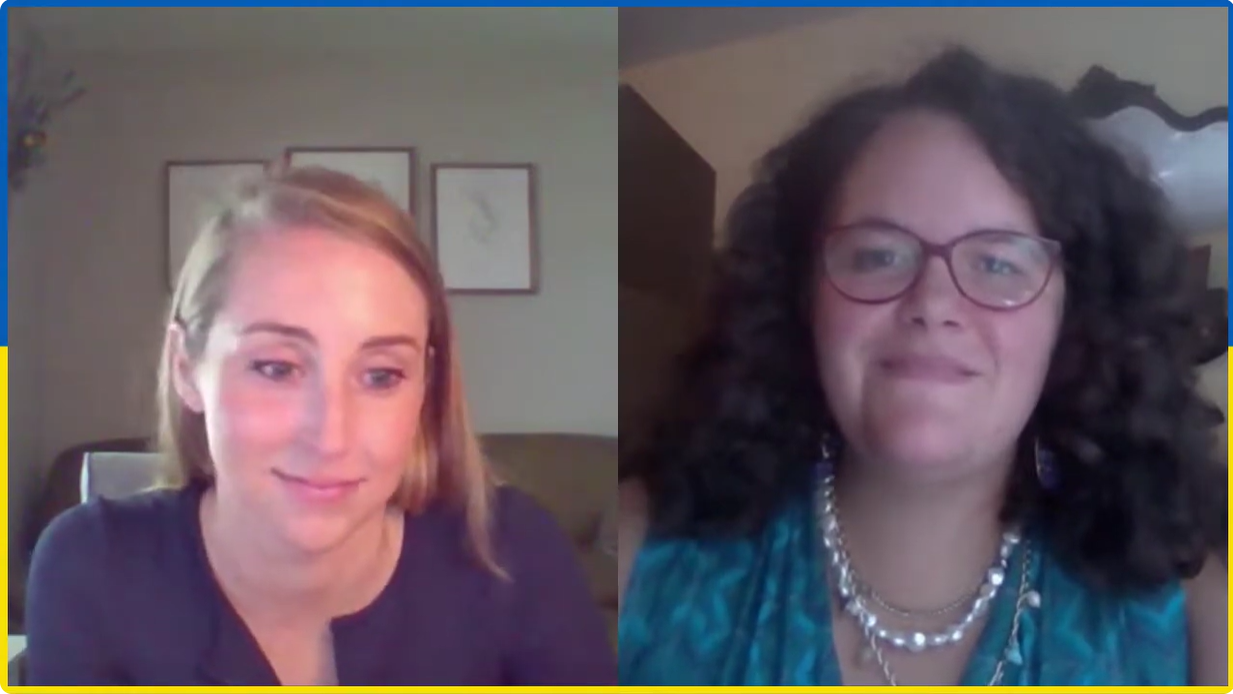
The post marks Child Safety and Protection Month by emphasizing that teaching children correct anatomical terms is a proven prevention tool against child sexual abuse, reducing shame and helping children disclose abuse accurately. Through insights from Coffee County CAC director Joyce Prusak and survivor-advocate Melanie Sachs, it highlights how education, openness, and early, age-appropriate conversations can empower children and disrupt offender tactics.

A local expert urged that understanding signs and prevention of child abuse is crucial to protecting children, highlighting that awareness and informed community involvement help adults recognize, report, and prevent maltreatment. The piece emphasizes education, training, and shared responsibility in safeguarding children’s well-being.
Self-care is a crucial, non-negotiable part of the healing journey for adult survivors of child sexual abuse. We hear the term “self care” thrown around a lot in our culture, but sometimes it’s not clear what self-care looks like. Here are a few techniques that helped me on my healing journey. Remember: you deserve it!
In this post, Melanie describes her childhood sexual abuse, the long aftermath (shame, fear, self-harm), and how disclosure at a child advocacy center helped her begin a non-linear healing journey grounded in faith and finding her voice. She frames “hope” as turning pain into purpose through writing, survivor-centered trainings/presentations (including work with SHIELD Task Force), and advocacy/education—especially around trauma’s physical impacts like pelvic pain.