Keynotes, Workshops & Webinars
Conference & Webinar Topics
Keynotes, workshops, and webinars that leave MDT members better prepared for their next case. Our speakers come from prosecution, law enforcement, forensic interviewing, and other MDT roles, so every session is grounded in real-world experience.

Explore our catalog.
Looking for the right fit? Browse by format, audience, or speaker, or search for a topic. Most sessions can be tailored to your audience, time slot, and setting, whether that’s a conference keynote, a breakout workshop, or a webinar.
Not sure what you want, or short on time? Get in touch and we’ll help you find the right fit, plus talk through dates and pricing, by email or over a quick Zoom call.
From Outcry to Conviction: Navigating Your Way Through a Child Abuse Investigation
This workshop provides a practical overview of the child-abuse investigation process, from evaluating a child’s outcry through preparing the case for trial. Participants will examine suspect interviews, search warrants, social media evidence, and other investigative strategies used to build strong, admissible cases.
Interrogations: Getting the Suspect to Corroborate the Facts
This workshop examines interrogation strategies that go beyond obtaining a confession, focusing instead on developing accurate, voluntary corroboration of known facts in child abuse and human trafficking cases. Participants will learn how rapport, structure, and strategic questioning can help confirm timelines, relationships, motives, and actions.

One-Party Consent Phone Call: The Undisputed Evidence in Your Case
This workshop explores the use of one-party-consent recorded phone calls as an investigative tool in child sexual abuse cases. Participants will learn how to prepare victims, conduct effective calls, and use recorded statements to corroborate allegations and strengthen suspect interviews.

The Truth Won’t Set You Free: False Allegations and Child Abuse
This workshop examines the research showing that truly fabricated child maltreatment allegations are rare. Participants learn to distinguish fabricated claims from suggestive questioning and coerced recantations, and to avoid premature conclusions that undermine investigations.

Party of 4: A Table Talk Conversation with a Survivor, Psychologist, and Two Attorneys
This session examines how legal, medical, psychological, and survivor-centered perspectives intersect in child abuse cases and how effective MDT collaboration drives successful outcomes. Through cross-disciplinary discussion and case examples, participants learn to use medical evidence, expert testimony, and coordinated communication to support survivors and strengthen prosecution.

Pursuing Justice, Hand-in-Hand: A Survivor and Forensic Psychologist's Journey from Interview to Trial
This session follows survivor Melanie Barton’s case from disclosure through trial and long-term impact, presented in conversation with forensic psychologist Dr. Timothy Saar. Together, they examine prosecution missteps, the effects of trial on victims, effective testimony preparation, and post-trial support.
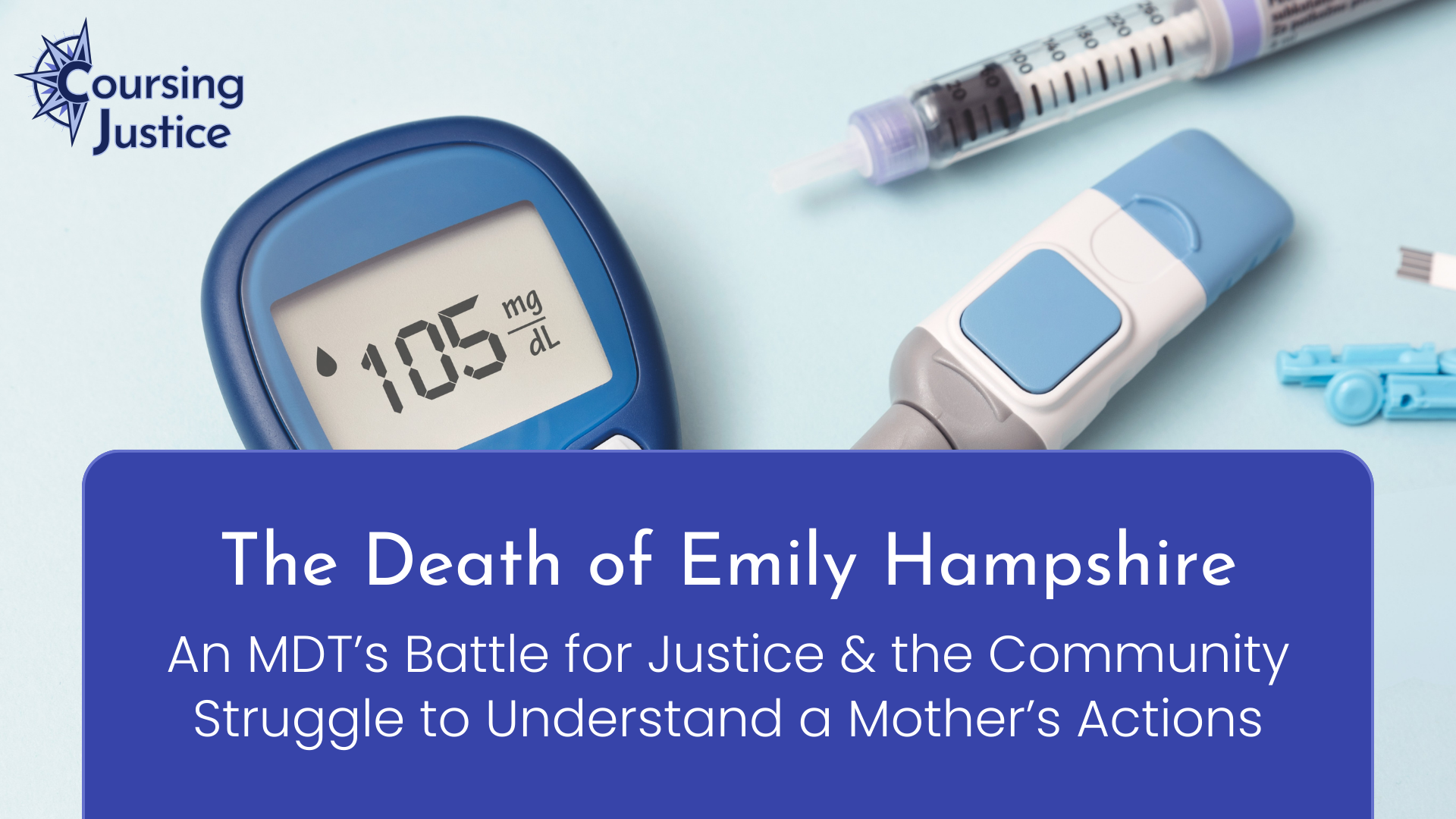
The Death of Emily Hampshire: An MDT’s Battle for Justice & the Community Struggle to Understand a Mother’s Actions
This case study examines the investigation and prosecution surrounding the death of 14-year-old Emily Hampshire, whose mother concealed her Type 1 diabetes, leading to fatal neglect. The session highlights how a coordinated MDT uncovered the truth and secured justice in a close-knit community.

Unexplained Injuries, Unexplained Bruising: The Complicated Case of Baby Owyn (Parts 1 and 2)
This two-part case study examines the investigation and prosecution of the fatal abuse of 7-week-old Baby Owyn. Participants explore MDT timeline-building, charging and pretrial decisions, and trial strategy for complex medical evidence, nonverbal victims, and accelerated jury trials.

Like Father, Like Son: Computer Forensics, Secret Cameras, and Spiritual Influences
This in-depth case study examines the investigation and prosecution of David J. VonBergen, spanning dark web activity, hands-on abuse, reluctant disclosures, and complex evidentiary and legal issues. Presented by the investigative and prosecutorial team, the session explores digital evidence strategy, pretrial motions, sentencing, and the generational abuse tied to his father’s crimes.

Picking the Right 12: Mastering Jury Selection for Child Abuse Trials
This workshop reframes voir dire as a strategic tool rather than a procedural step. Participants learn to use targeted questioning to introduce core themes, surface bias, and prepare jurors for the realities of child testimony from the outset.

Demystifying Medical Evidence in Sexual Abuse Cases
This workshop focuses on presenting pediatric sexual assault exams—especially “normal” findings—as powerful corroboration in child sexual abuse trials. Participants learn to prepare and use medical experts to clearly explain anatomy, exam results, and penetration elements in ways juries understand.

Perfect Targets: From Custodial Abuse to Courtroom Justice for Victims in Care
Children in institutional custody or state care are acutely vulnerable to exploitation, creating complex investigative and trial challenges for MDTs. This workshop provides practical strategies for managing behavioral and ACE-related issues, limiting improper defense attacks through pretrial motions, and countering jury bias in these high-risk cases.

Digital Harm, Human Impact: Achieving Trauma-Informed Justice in Technology-Facilitated Abuse Cases
Online exploitation creates layered trauma when abuse is compounded by digital evidence and ongoing harm. This workshop equips MDT professionals with trauma-informed strategies for ethical evidence handling, survivor-centered communication, and pursuing justice and recovery from investigation through long-term support.

First Words, Final Verdicts: Mastering Opening Statements and Closing Arguments in Child Abuse Cases
This intensive session focuses on mastering opening statements and closing arguments in child abuse jury trials. Participants learn to anchor the child’s narrative, build credibility through corroboration, and preempt common defense themes from first word to final plea.
The MDT That Believed: Achieving Justice in a Child Sexual Abuse Case with High Risk of Recantation
Children are more likely to disclose and less likely to recant when they have a safe adult—but that role sometimes falls to the MDT itself. Using a rural incest case study, this session examines how professionals can step into that role through coordinated advocacy, caregiver education, and strategies that reduce recantation and strengthen outcomes.

Guardians, Gaslighters, or Gullible? Adult Narratives Affecting the Child Abuse Investigation
Adult narratives can protect the truth—or quietly distort it—in child abuse cases. This session examines Guardians, Gaslighters, and the Gullible, equipping participants to spot bias, challenge misleading narratives, and keep the child’s voice central to the investigation.

Human Trafficking and the Sexual Abuse of Boys
Human trafficking cases require specialized, flexible approaches—and when victims are boys, added hurdles like low disclosure and stigma often complicate the work. This session blends core trafficking practices with dynamics specific to boys, highlighting proactive identification, strong case development, tech-informed corroboration, and coordinated partnerships across physical and online contexts.

Forensic Feud: A Game of Shadows and Psychology
This workshop, hosted in a game show format by a former prosecutor and a forensic psychologist, equips attendees to address and refute defenses frequently encountered in child abuse cases. Participants will gain insights into identifying and addressing common defenses in child sex trafficking, online sexual exploitation, and child sexual abuse, and explore practical countermeasures tailored for MDT members.
Whatever It Takes: Earning the Trust of Survivors in High-Control Environment Cases
Trauma can complicate investigations and prosecutions, especially in coercive environments like cults, trafficking networks, and other high-control settings. This workshop covers trauma-related barriers, communication with reluctant witnesses, and evidence-gathering and trial-prep strategies that prioritize safety and account for trauma’s impact on disclosure and testimony.
The Perpetrator in the Precinct: Confronting Child Abuse in Law Enforcement
When a child-abuse suspect is a law enforcement officer, the investigative and prosecutorial challenges intensify. Using real case examples, this training shows how officers exploit authority and equips participants with strategies to handle these complex cases effectively.